project · Feb 15, 2026
CompleteEmail Breach Checker CLI
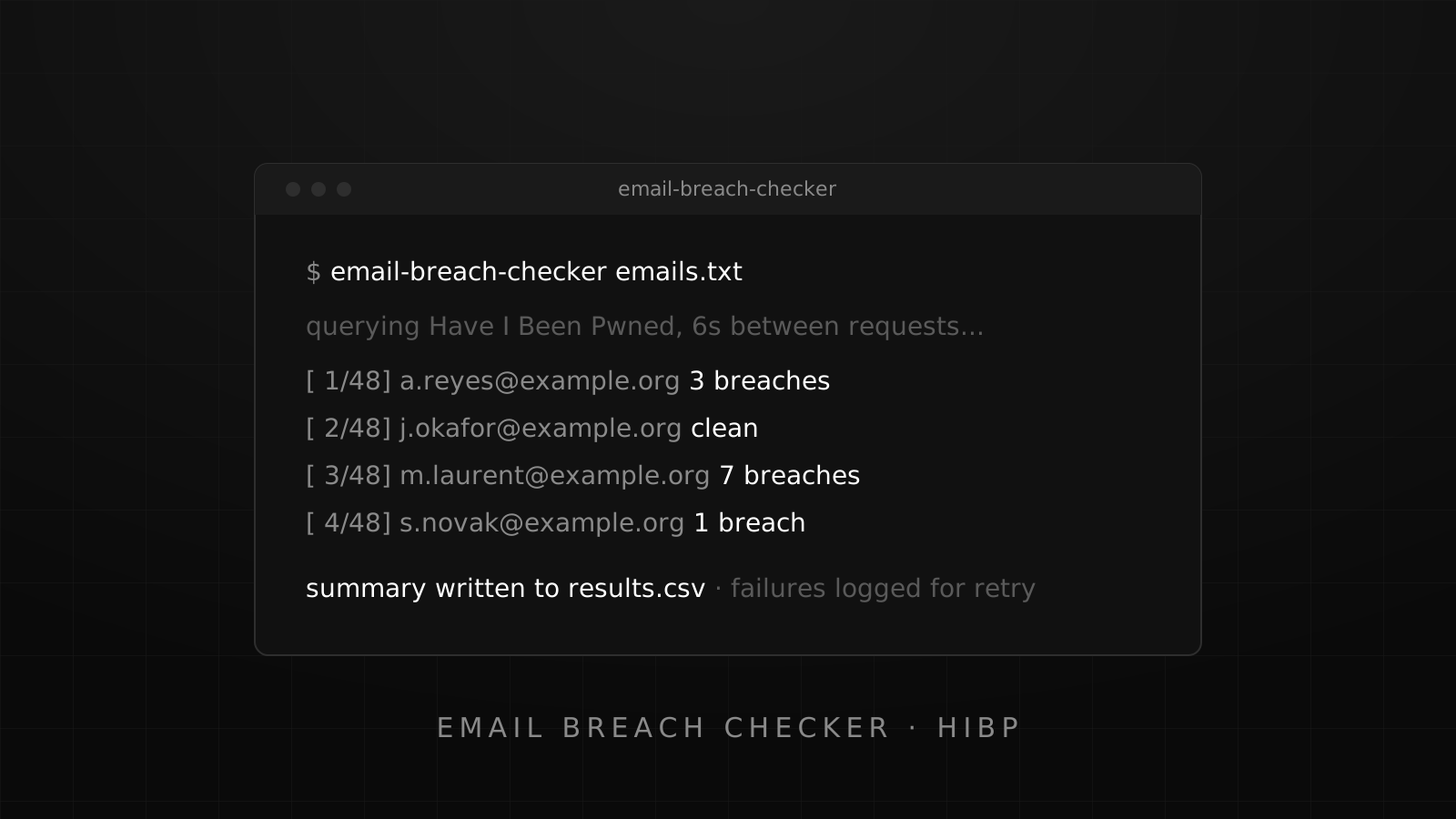
A Python tool for bulk Have I Been Pwned lookups with structured CSV reporting, built during a live penetration test engagement.
Where it came from
During the live penetration test I supported through Evolve Security Academy, we needed to check whether the client's email addresses appeared in known breaches. Doing that one address at a time in a browser does not scale, and ad-hoc scripts rarely produce clean artifacts for a report. I wrote the first version of this tool to automate those checks. The output went into the engagement report.
Afterward I rebuilt it as Email Breach Checker, a packaged Python CLI with tests, CI, and a real release structure.
What it does
- Reads emails from
.txtfiles or extracts them from any.csvwith pattern matching, and deduplicates as it goes - Queries the Have I Been Pwned API with rate limiting so the tool stays a good API citizen
- Writes a grouped summary CSV with breach counts, titles, domains, dates, verification status, and compromised data types
- Logs failed lookups separately with the HTTP status and error detail, so retries are easy
- Returns meaningful exit codes so it can run unattended in scripts
Usage sketch
export HIBP_API_KEY=your_api_key
email-breach-checker examples/emails.txt --output results.csv
Why it matters
Breach exposure shows up in phishing work, user education, and incident triage. Automating the lookup keeps the analyst on interpretation: which accounts matter, which services leaked, and what remediation looks like. The copy-paste part is the part a script should own.
It was also my first real lesson in the difference between a script that works and a tool other people can use. Packaging, input validation, failure logging, and tests turned a one-off engagement helper into something I would hand to a teammate.